
There is a persistent myth that great coffee requires a professional barista, expensive commercial equipment, or years of training. The truth is more accessible: making excellent coffee at home is well within the reach of anyone who understands a few key principles and is willing to pay attention to details. The gap between the average home cup and a great café cup is narrower than most people realize, and the distance can be closed with knowledge rather than money.
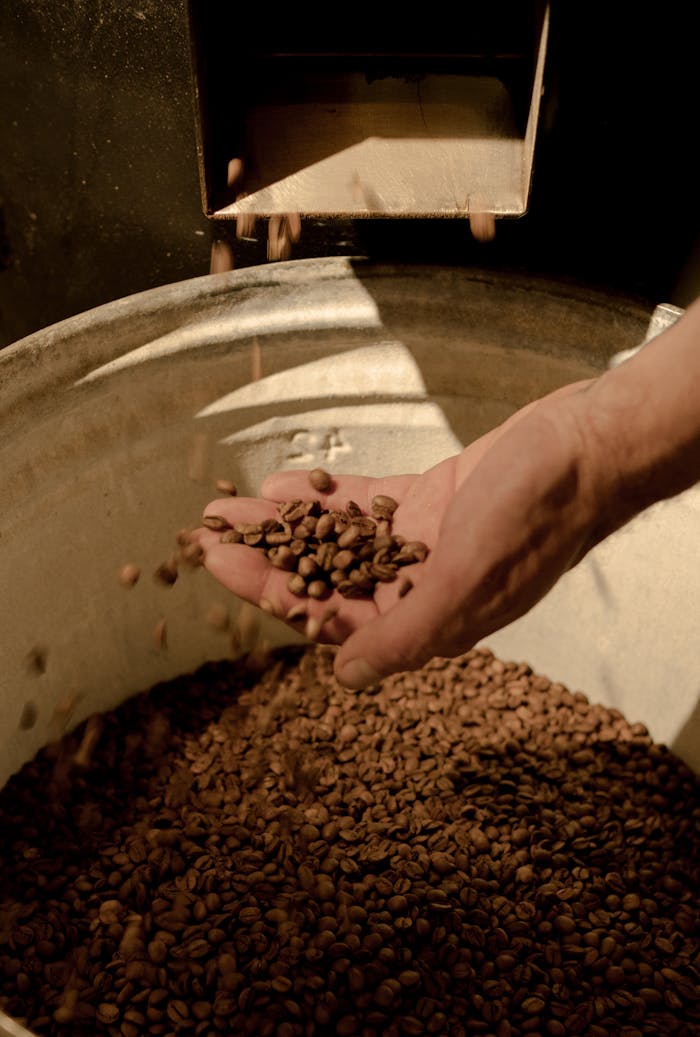
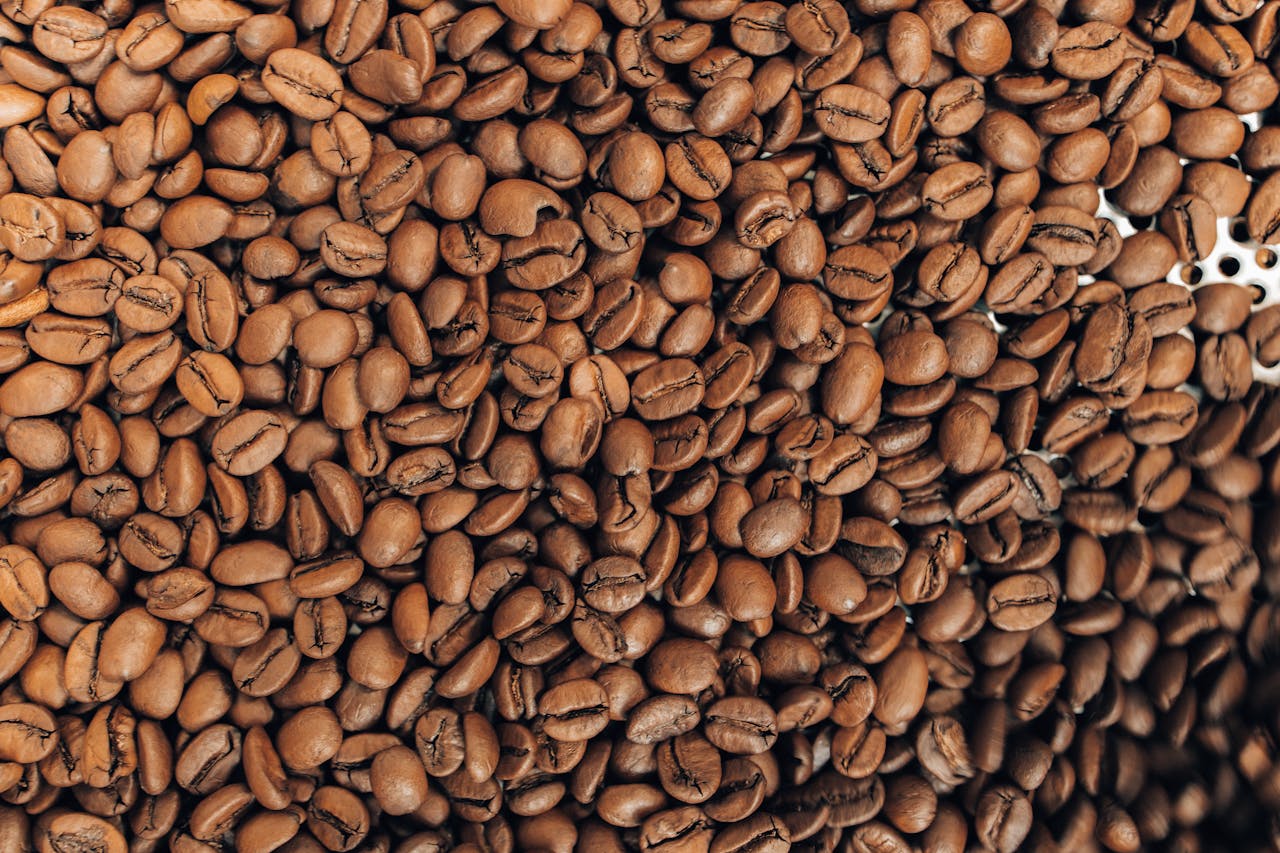
Start with fresh beans. This is non-negotiable. Everything else in this guide is irrelevant if you begin with stale beans. Coffee at its peak is typically three to fourteen days post-roast, stored in an airtight container away from light and heat. Buy small quantities from roasters who print a roast date on the package, and aim to use your beans within a few weeks of that date. This single factor accounts for more variation in coffee quality than any combination of equipment or technique.
Use quality water. Coffee is more than ninety-eight percent water, so the quality of your water matters enormously. Heavily chlorinated tap water introduces off-flavors that no amount of skill can compensate for. Soft water, which lacks minerals, produces flat, under-extracted coffee. Ideal brewing water is filtered, moderately mineralized, and free of strong odors or tastes. If your tap water tastes good on its own, it will usually produce good coffee. If it does not taste good, filter it.
Measure accurately. Eyeballing coffee and water produces inconsistent results. A simple kitchen scale costs very little and transforms your brewing from guesswork to reproducible quality. The standard starting ratio is roughly 1 gram of coffee per 15 to 17 grams of water, though personal preference and brewing method will shift this. Once you find a ratio you like, a scale lets you replicate it precisely every single time.
Grind fresh. If you have whole beans and a burr grinder, grind immediately before brewing. The aromatic compounds in freshly ground coffee begin dispersing within minutes. Coffee ground the night before has already lost a significant fraction of its potential flavor. Grind only what you need for the current brew session.
Control your water temperature. Water that is too hot over-extracts and produces harsh bitterness. Water that is too cool under-extracts and produces sourness and flatness. The ideal range for most brewing methods is 90 to 96 degrees Celsius. If you do not have a temperature-controlled kettle, bring water to a full boil and then let it sit for 30 to 45 seconds. This brings it into the appropriate range for most methods.
Pay attention to bloom. When hot water first contacts freshly roasted coffee grounds, CO2 escapes rapidly and causes the grounds to swell and bubble. This is called the bloom. Allowing 30 to 45 seconds for the bloom before continuing to pour helps ensure even extraction by allowing the CO2 to escape before the main brew. Stale coffee produces little to no bloom, which is itself diagnostic information about your beans.
Choose the right brewing method for your priorities. French press produces a full-bodied, rich cup that forgives minor inconsistencies in grind size. Pour over produces a clean, bright, nuanced cup that rewards attention to detail. Drip machines are convenient and consistent when properly calibrated. Espresso is demanding but produces intensity unmatched by other methods. All of these can make excellent coffee if handled correctly.
Clean your equipment. Coffee oils are deposited on every surface that contacts brewed coffee: the carafe, the filter basket, the plunger of a French press, the portafilter of an espresso machine. These oils go rancid over time and impart bitterness and off-flavors to subsequent brews. Rinse equipment after every use and deep-clean it regularly. The smell of your clean equipment should be neutral or faintly of coffee, never sour or rancid.
Perhaps most importantly: taste critically. After each cup, take a moment to assess what you notice. Is it balanced? Too bitter? Too sour? What stands out and what is missing? This habit of conscious tasting is what turns a routine into an education. Each adjustment you make based on what you taste brings you closer to understanding what your particular palate finds ideal, and that understanding is what produces consistently great cups day after day.