
Coffee roasting is one of the most transformative processes in food production. A green coffee bean, which smells faintly grassy and tastes completely bitter and unpleasant, is converted in a matter of minutes into something complex, aromatic, and delicious. This transformation is both an art and a science, and the best roasters in the world spend years learning to read and respond to the signals their beans send during the roast. Understanding what actually happens inside the roaster makes you a more informed coffee drinker and gives you a deeper appreciation for the craft behind every bag.
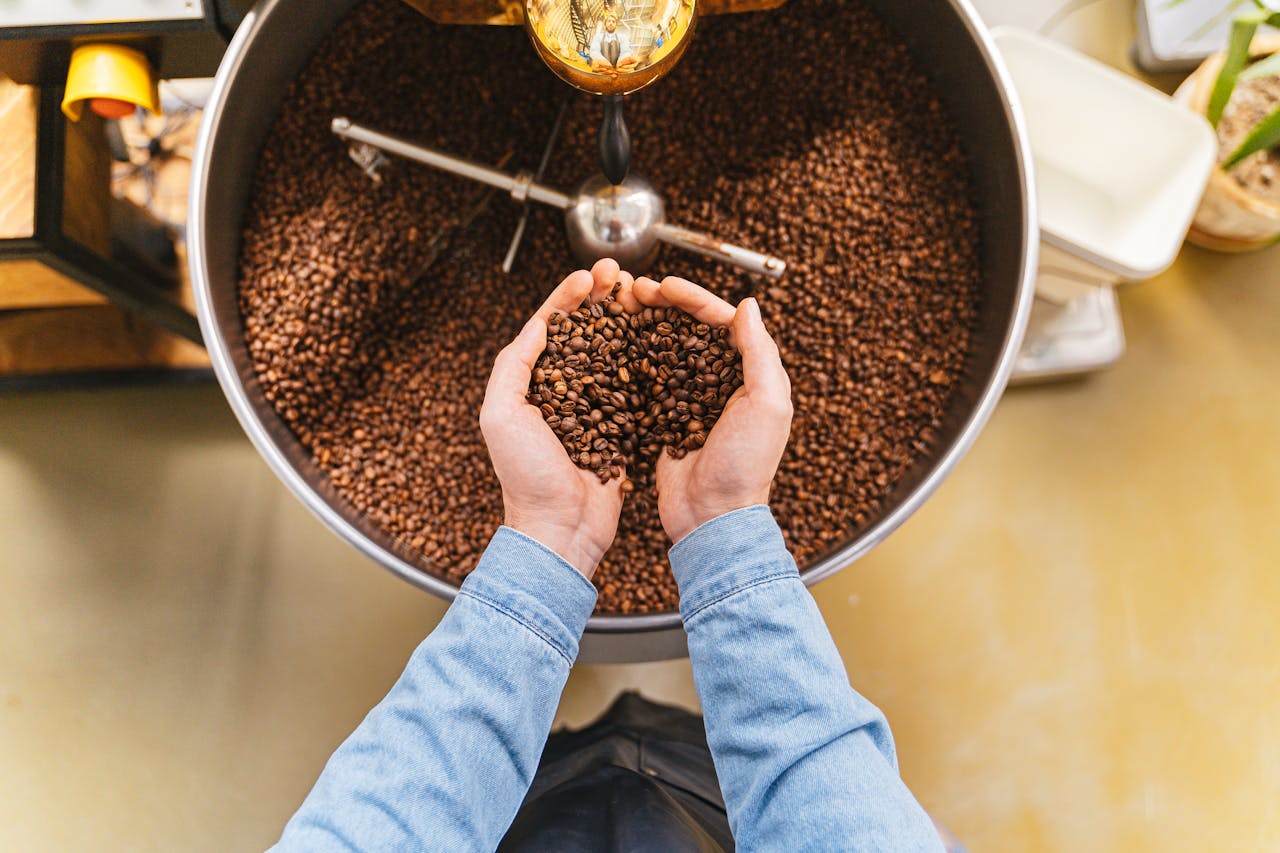
The process begins before the beans even enter the drum. Commercial and specialty roasters use rotating drum roasters, which consist of a large perforated drum inside a heated chamber. The drum spins continuously to keep the beans tumbling and ensure even heat application. Before loading beans, the roaster preheats the drum to a target temperature, typically between 180 and 220 degrees Celsius, depending on the coffee and the desired profile. This charge temperature is the first of many variables the roaster controls.
The green beans are loaded into the drum, and the temperature inside drops sharply as the cold beans absorb heat from the environment. This is called the turning point or the first major inflection of the roast. The rate at which the temperature recovers from this drop is closely watched. During this initial drying phase, which lasts several minutes, the beans are primarily losing moisture. Green coffee contains 10 to 12 percent water by weight, and this water must evaporate before the chemical transformations of roasting can proceed efficiently.
As moisture content drops and the bean temperature climbs into the 150 to 160 degree Celsius range, the visual appearance of the bean changes. The green color fades to a pale yellow, then progresses through shades of tan and cinnamon. This is the beginning of the Maillard reaction, the same chemistry responsible for the browning of bread, meat, and many other cooked foods. In this reaction, amino acids and reducing sugars combine to form hundreds of new flavor and aroma compounds. The roasting room begins to smell of toast, cereal, and something deep and complex.
Around 175 to 196 degrees Celsius, the beans undergo what is called the first crack. This is a physical event: the steam and CO2 pressure that has been building inside the bean finally overcomes the structural integrity of the cell walls, and the bean literally cracks open with an audible popping sound, similar to popcorn. The bean swells significantly, increasing in size by roughly 50 to 80 percent. The crack releases a rush of aromatic compounds and signals that the bean is becoming genuinely drinkable for the first time.
At this point, the roaster faces a crucial decision. A light roast is pulled shortly after or during the first crack, typically around 196 to 205 degrees Celsius. A medium roast continues a bit further, allowing more of the acids to convert and the sugars to caramelize more completely, usually to around 210 to 220 degrees. A dark roast pushes through a second crack, which occurs around 225 degrees and above, where more carbon dioxide is produced, oils migrate to the surface, and the bean structure begins to break down more aggressively.
Throughout the roast, experienced roasters are monitoring a continuous stream of data: bean temperature, drum temperature, rate of temperature rise per minute, color development, and aroma. Many modern roasters use logging software that graphs these variables in real time, allowing precise comparisons with previous successful roasts. Small adjustments to airflow, heat input, and drum speed can shift the flavor profile of the final product significantly.
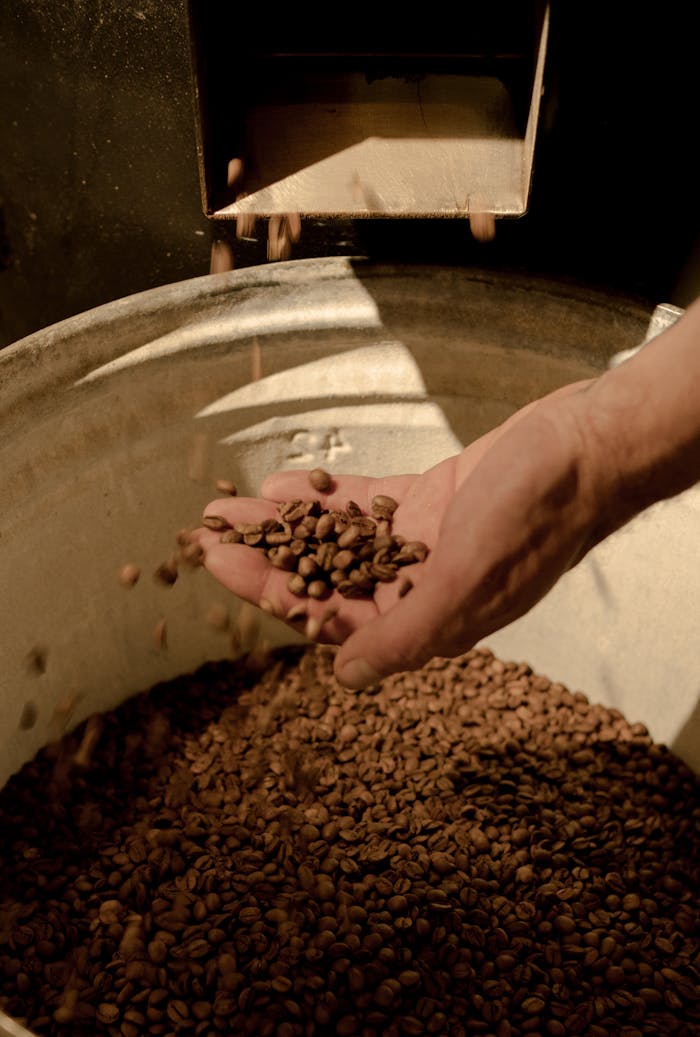
The roast ends when the beans are dropped from the drum onto a cooling tray, where rapidly moving air or mechanical agitation brings them down to room temperature in just a few minutes. Stopping the roast precisely is critical: beans that cool too slowly continue to develop and can overshoot the target profile.
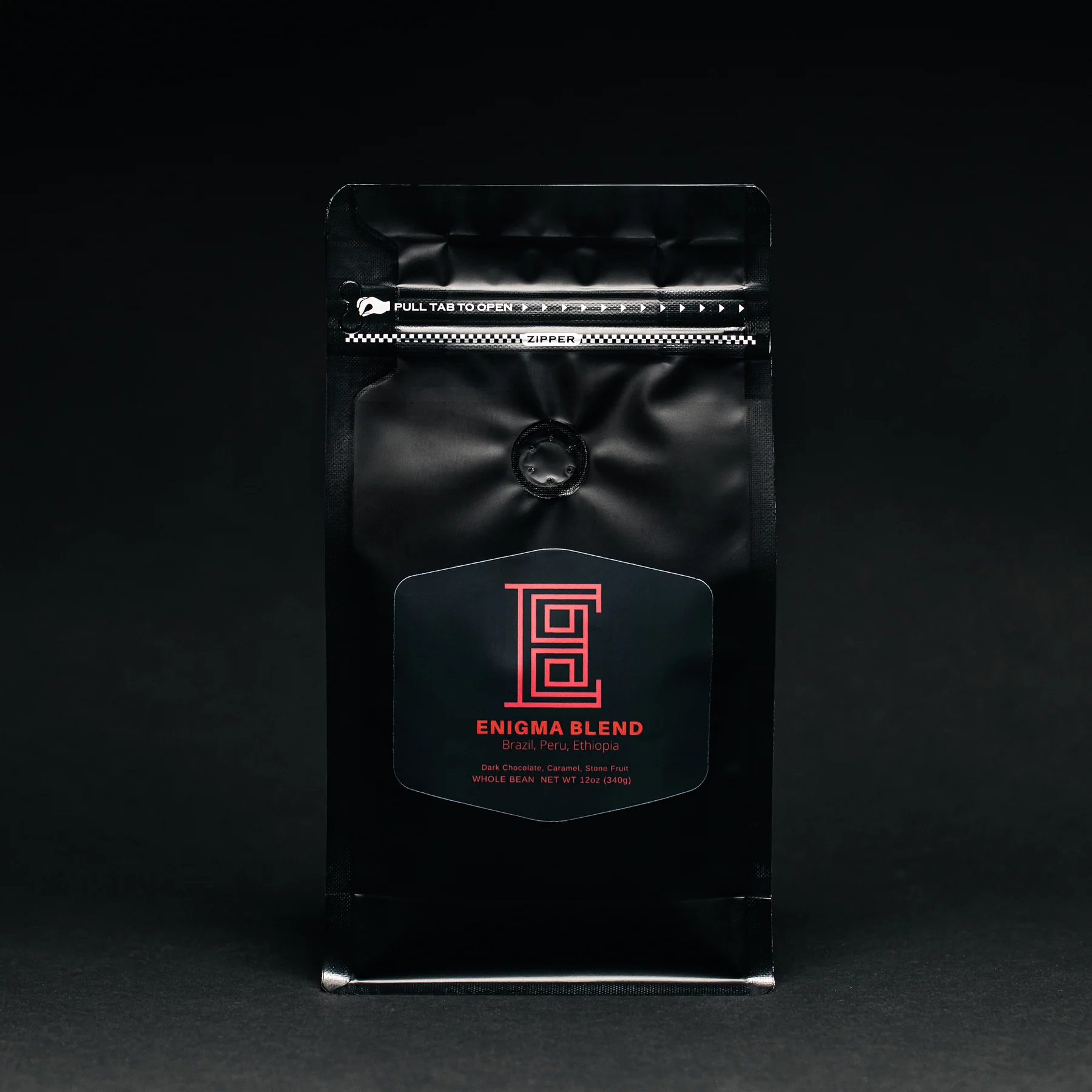
After cooling, beans rest and off-gas for at least 24 hours before being packaged. The roaster then bags the coffee, flushes the bag with nitrogen, and seals it with a one-way valve. At this point, the craft of the roaster gives way to the urgency of delivery — because all that careful work inside the drum is only as good as how quickly and well those beans reach the person who will brew them.