
Espresso at home is one of the great aspirations of the coffee enthusiast. There is something compelling about the idea of pulling a perfect shot in your kitchen, producing that rich, concentrated, crema-topped liquid that forms the foundation of so much café culture. But espresso is also the most demanding, technical, and equipment-intensive of the home brewing methods, and the gap between a mediocre shot and a great one is bridged by understanding rather than intuition.
The essential difference between espresso and other brewing methods is pressure. Espresso is made by forcing hot water through a compact puck of finely ground coffee at approximately nine bars of atmospheric pressure. This pressure, combined with the fine grind and specific water temperature, extracts a very concentrated, emulsified liquid in roughly 25 to 30 seconds. The pressure also forces the emulsification of coffee oils into the water, creating the characteristic reddish-brown foam called crema that floats on top of a well-made shot.
Equipment matters enormously for espresso in a way that it does not for French press or pour over. You need a machine capable of maintaining nine bars of stable pressure and heating water to a consistent 90 to 96 degrees Celsius. Entry-level machines in the 200 to 400 dollar range can do this with varying degrees of precision. Mid-range machines in the 500 to 1000 dollar range do it more consistently and with features like temperature stability and better steam wand performance. Professional machines used in cafés cost several thousand dollars and hold every variable to very tight tolerances.
The grinder matters as much as the machine, possibly more. Espresso requires a fine, consistent, precisely adjustable grind that changes with humidity, bean freshness, and roast level. An inconsistent blade grinder produces a puck with channeling paths where water flows through unevenly, resulting in a poorly extracted, imbalanced shot. A quality burr grinder with fine adjustment capability is essential. For serious home espresso, budget at least as much for the grinder as for the machine.
Dialing in is the term used for the iterative process of finding the right grind size, dose, and extraction time for a specific coffee on a specific machine. It begins with a starting point: typically 18 to 20 grams of finely ground coffee in the portafilter, extracted into 36 to 40 grams of liquid in approximately 25 to 30 seconds. If the extraction runs fast and the shot tastes sour, grind finer. If it runs slow and the shot tastes bitter, grind coarser. If the weight is off, adjust the dose. Dialing in a new coffee can take several shots, which means wasted coffee until you find the sweet spot.
Puck preparation matters more for espresso than for any other method. Distribution — ensuring the grounds are evenly distributed in the portafilter basket — prevents channeling. Tamping — pressing the grounds with a flat tamp at consistent pressure — creates the compact, even resistance that produces uniform extraction. Uneven tamping or poor distribution is one of the most common causes of suboptimal espresso at home.
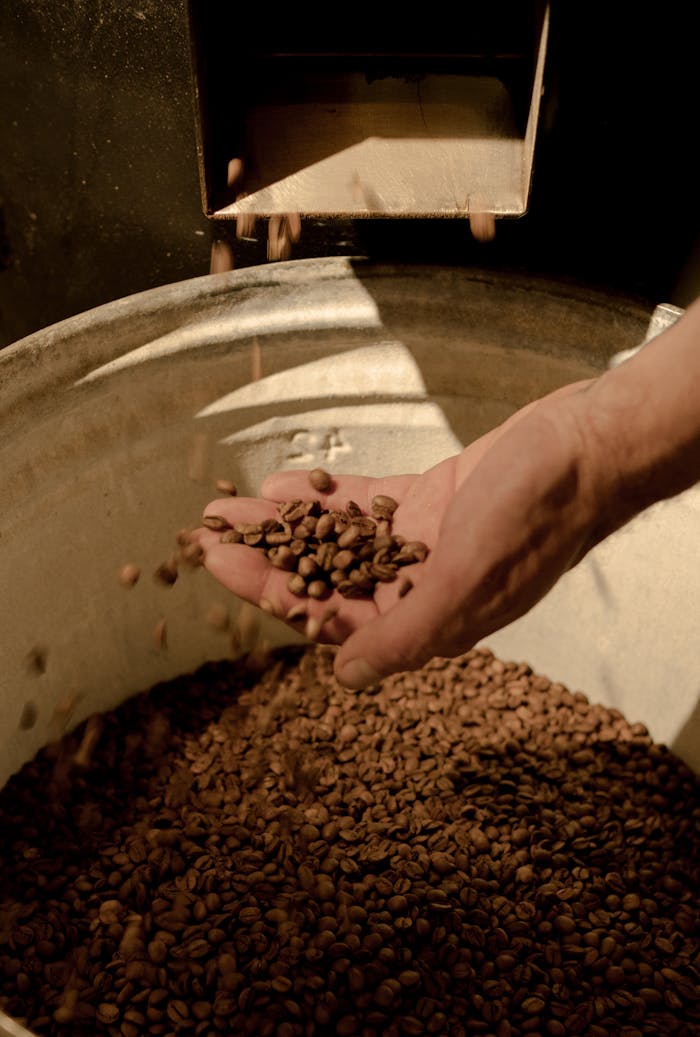
Fresh beans are particularly important for espresso. The CO2 in recently roasted beans is responsible for producing crema; as beans age and off-gas, crema production diminishes. However, very freshly roasted beans, within the first three to four days of roasting, produce too much CO2 during extraction, causing an inconsistent and bubbly extraction. The sweet spot for espresso beans is typically five to fourteen days after roasting. Many roasters specifically note resting recommendations on their espresso-intended bags.
Do not be discouraged by the complexity. Espresso rewards persistence. Once you have dialed in a coffee, the shots become repeatable. The same grind settings, same dose, same extraction time produces consistently excellent espresso. And once you can pull a reliable shot, the world of milk-based drinks — lattes, cappuccinos, flat whites — opens up entirely if you have a steam wand. The investment of time and learning is significant, but the payoff, drinking genuinely excellent espresso in your own kitchen every morning, is one of the great pleasures of the home coffee experience.