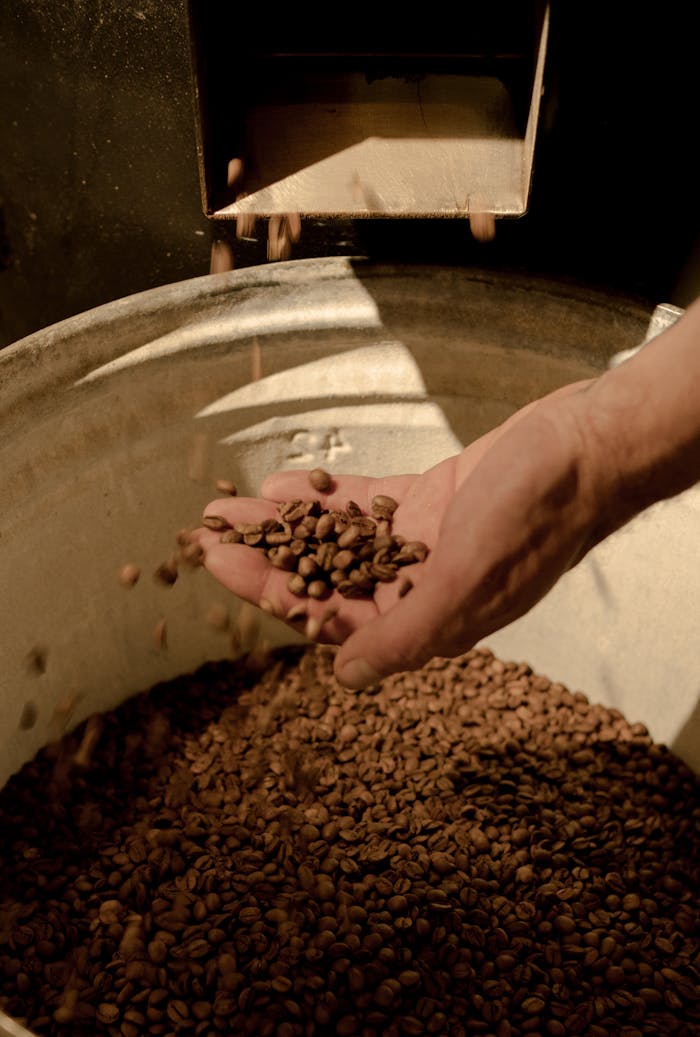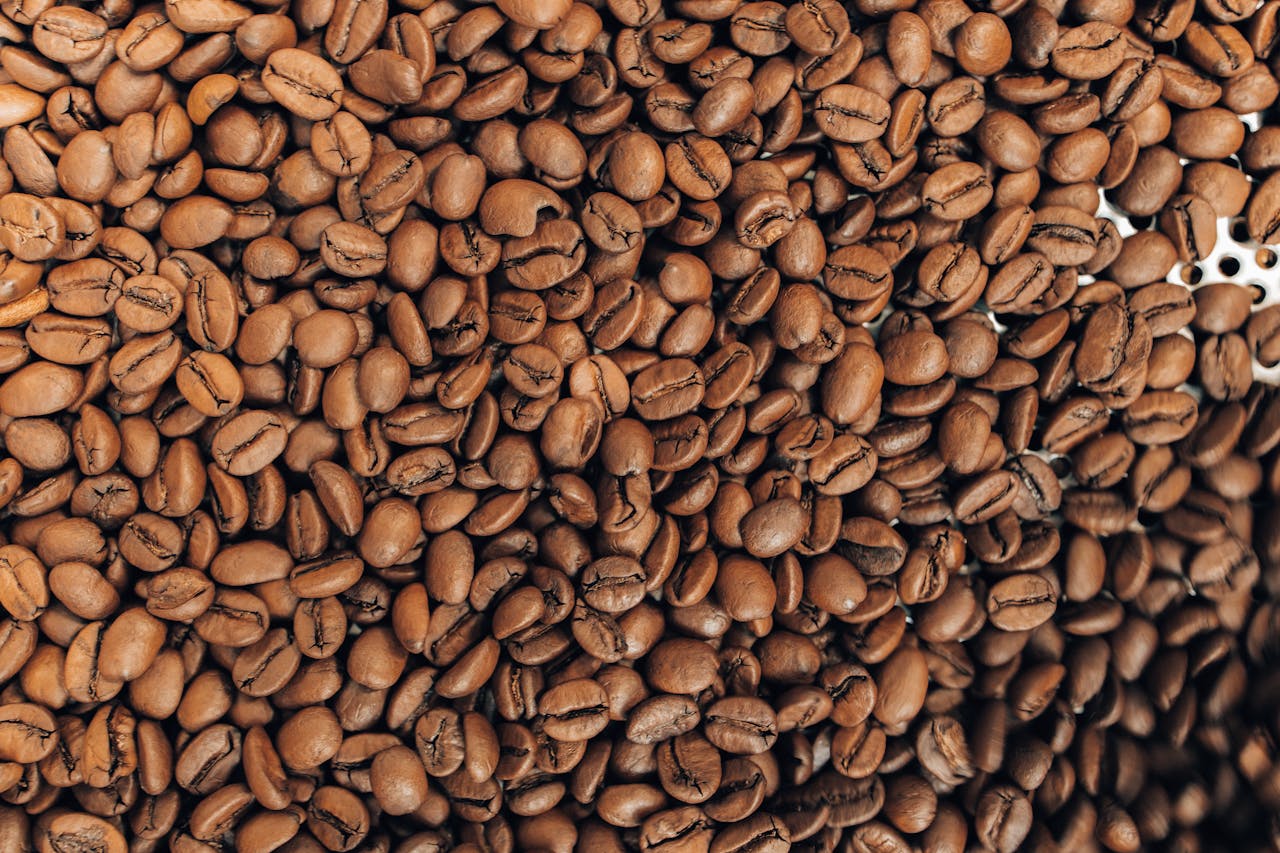

Coffee extraction is fundamentally a matter of surface area, contact time, and water flow rate. Grind size governs all three. Too fine, and you have too much surface area: water struggles to flow through, contact time becomes excessive, and bitter, over-extracted compounds dominate the cup. Too coarse, and you have too little surface area: water flows through too quickly, contact time is insufficient, and the result is sour, underdeveloped, and thin. Finding the right grind size for your brewing method is one of the most impactful adjustments you can make to your morning cup.
There is no single universal grind size that works perfectly for all brewing methods, because different methods apply different levels of pressure, different water temperatures, and different contact times. Understanding the principles behind each method helps you identify where to start and how to adjust.
Extra fine grinds, approaching the texture of powdered sugar or flour, are used for Turkish coffee. In this ancient preparation, the coffee is simmered directly in water and the grounds remain in the cup as they settle. The extremely fine grind maximizes extraction from very brief, high-heat contact and produces the thick, intensely flavored liquid that defines the Turkish style. Even a small change in grind coarseness makes a dramatic difference in this method.
Fine grinds, similar in texture to table salt or slightly finer, are the territory of espresso. Espresso extraction uses pressurized hot water forced through a compact puck of finely ground coffee in approximately 25 to 35 seconds. The pressure compensates for what would otherwise be insufficient contact time, but only if the grind resistance is sufficient to slow the water flow. If the grind is too coarse, the water rushes through in ten seconds and you get a thin, sour shot. If it is too fine, the water cannot push through at all, or takes over a minute and produces an over-extracted, extremely bitter result. Dialing in espresso grind is a practice that many home baristas spend considerable time perfecting.
Medium-fine grinds work well for pour over methods like the V60 or Chemex cone. Pour over relies on gravity to pull water through the grounds, and the flow rate is controlled by the grind size and the frequency and volume of pours. A medium-fine grind combined with careful pouring technique produces the clarity and brightness that pour over is known for. Too fine and the brew chokes; too coarse and the brew rushes through and tastes thin.
Medium grinds are the territory of flat-bottom drip brewers, including most automatic drip coffee machines. These machines use a fixed brew cycle and water distribution, so adjusting grind size is one of the few variables a home brewer can change. Medium grind produces a clean, balanced cup with good extraction in the typical drip machine brew time of four to six minutes.
Medium-coarse grinds suit the AeroPress brewed with longer contact time and the Chemex with very gentle pouring. They also work well for siphon brewing. The slightly larger particle size extends the extraction time appropriately for these methods.
Coarse grinds, roughly the texture of coarse sea salt or cracked black pepper, are ideal for French press. French press uses total immersion brewing: the grounds sit in contact with water for four to five minutes before the plunger is pressed. A coarse grind prevents over-extraction during this extended contact time and results in fewer fine particles in the final cup, which would contribute to muddiness and harsh bitterness. If your French press tastes bitter, try a coarser grind before adjusting anything else.
Extra coarse grinds are used for cold brew coffee. In cold brew, grounds steep in cold or room-temperature water for anywhere from 12 to 24 hours. This extremely extended contact time requires very coarse grinding to avoid catastrophic over-extraction. The result, when done correctly, is a concentrated, smooth, very low-acidity coffee that dilutes well with water or milk.
The practical starting point for any method is straightforward: start in the middle of the appropriate range, brew a cup, taste it, and diagnose. Sour or weak flavor suggests under-extraction: grind finer. Bitter, harsh, or astringent flavor suggests over-extraction: grind coarser. Make one adjustment at a time and taste again. This iterative approach, guided by the principles above, will get you to a great cup faster than any chart or formula.