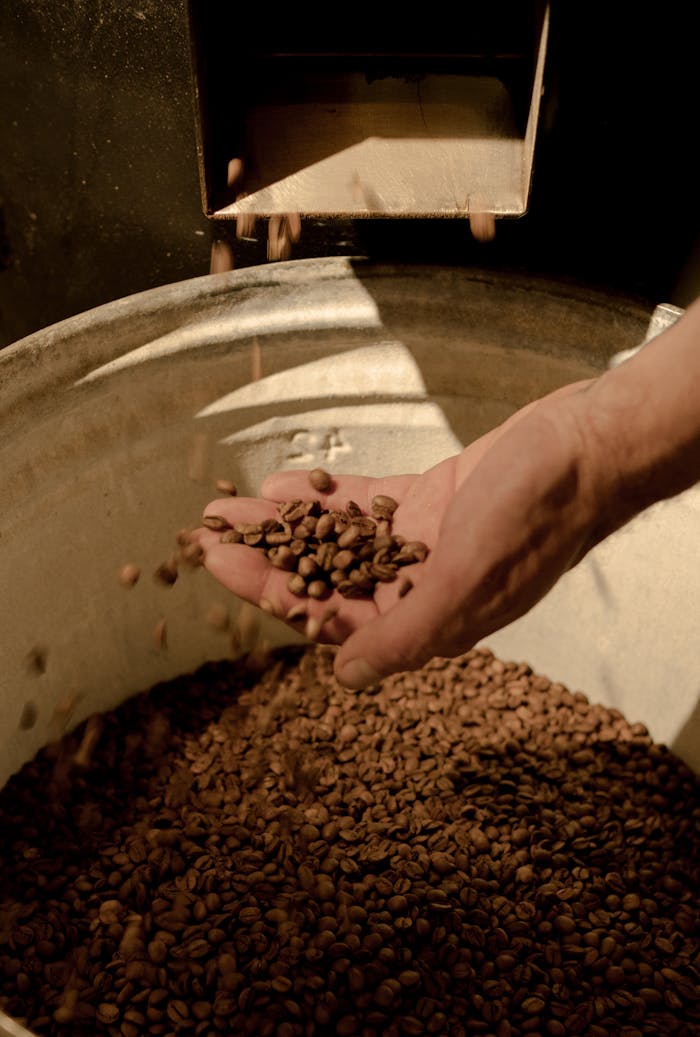

Not everyone has time to grind coffee every morning. Not everyone owns a grinder, wants to own one, or has the counter space to accommodate one. There are real constraints in modern life, and insisting that every coffee drinker invest in grinding equipment before they can enjoy a decent cup is both elitist and impractical. Pre-ground coffee has a place in the world — but there are right and wrong ways to buy it, store it, and brew it if quality matters to you.
The first and most important principle when buying pre-ground coffee is to prioritize freshness above everything else. The grind has already happened; you cannot undo that. What you can control is how recently it happened. Pre-ground coffee sold with a roasting date rather than just an expiration date is a significant step up from commodity alternatives. Even better is pre-ground coffee from a specialty roaster who grinds and packages to order — some direct-to-consumer roasters will grind your beans just before shipping, meaning you receive coffee that may be only a few days past the grind. This is as close as pre-ground can get to the freshness of home grinding.
Packaging matters enormously for pre-ground coffee. Because the surface area is already maximized by grinding, the rate of flavor degradation in contact with oxygen is very high. Pre-ground coffee in an airtight, nitrogen-flushed bag with a one-way valve is substantially better than coffee in a paper bag, a cheaply sealed foil bag, or a can with a lid that has been opened and reclosed multiple times. If you are choosing between two options and the packaging quality differs significantly, choose the better-packaged option even if it costs a bit more. The flavor investment is worth it.
Once you have opened the bag, the clock begins moving quickly. Unlike whole beans, which can maintain quality for several weeks in a properly sealed container, ground coffee loses its most vibrant characteristics within a week of opening. This means that buying in large quantities is counterproductive for the quality-conscious pre-ground coffee drinker. A small bag consumed within seven to ten days is far preferable to a large bag that lingers for a month. If you regularly drink one or two cups per day, a 250-gram bag is a more appropriate purchase than a 500-gram or 1-kilogram bag, even if the per-unit cost is slightly higher.
Storage after opening is critical. Transfer ground coffee to a clean, dry, airtight container immediately after opening the original bag. Ceramic containers with silicone-sealed lids are excellent. Specialized coffee storage canisters with vacuum-pump mechanisms that remove air from the container each time you add coffee are even better. Avoid storing ground coffee in the refrigerator or freezer for everyday use: the temperature cycling when you take the container in and out causes condensation, which is devastating to ground coffee’s flavor and can introduce moisture that accelerates staling.
The brewing method you choose matters more for pre-ground coffee than for freshly ground beans, for a counterintuitive reason. Fresher coffee is somewhat forgiving: its abundance of aromatic compounds means that even imperfect extraction produces a flavorful result. Pre-ground coffee, already compromised in aromatic intensity, requires better extraction technique to deliver what is left. This means water temperature control, accurate measurements, and consistency in your brewing process matter more when your starting material is already less than ideal.
If you are using a drip machine with pre-ground coffee, ensure the machine maintains water temperature between 90 and 96 degrees Celsius, measures water accurately, and brews through the grounds in the appropriate time window. French press is forgiving and tends to produce a fuller-bodied cup that compensates somewhat for the flatness of stale pre-ground coffee. Pour over is less forgiving of stale coffee but rewards fresh pre-ground more than almost any other method.
One final note: if quality is genuinely important to you and you have been relying on pre-ground out of convenience rather than preference, consider investing in a hand grinder. They are affordable, quiet, take up minimal space, and require no electricity. A five-minute grinding session while the kettle heats produces freshly ground coffee that will be meaningfully better than anything pre-ground. But if pre-ground remains your choice, these principles will get you as close to a quality cup as that starting point allows.