
Few questions in coffee generate more debate among enthusiasts than the one about roast level. Walk into any coffee shop and you will find strong opinions about whether light roasts represent coffee at its most honest or whether dark roasts deliver the bold, satisfying character that makes a morning worthwhile. The truth, as with most things in coffee, is that there is no universally right answer — only the answer that is right for you, your palate, and how you like to drink your coffee.
To make an informed choice, it helps to understand what actually happens to a coffee bean during roasting and how roast level affects the final cup.
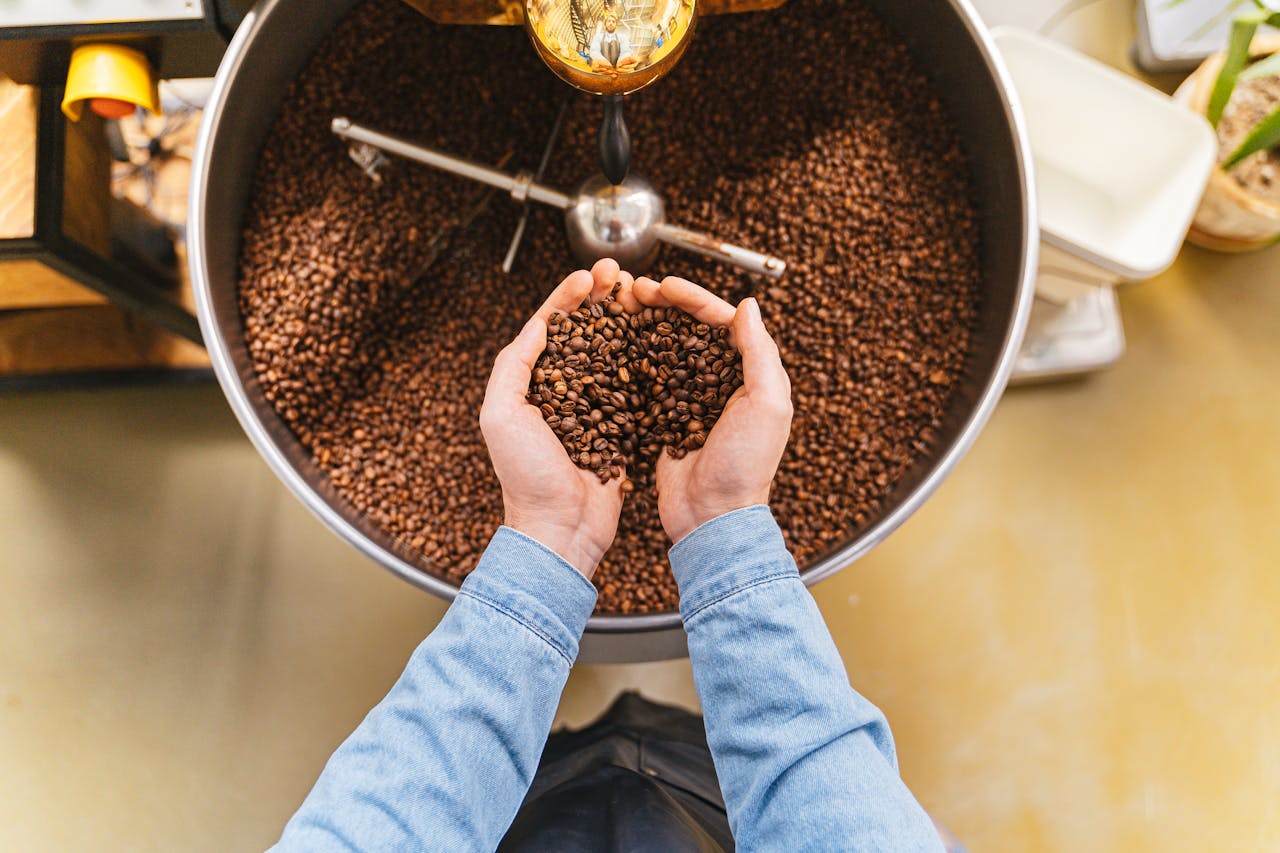
All coffee beans start green. They are dense, grassy-smelling, and undrinkable. The roasting process applies heat over a carefully controlled period to transform these beans through a series of chemical reactions. The longer and hotter the roast, the more the bean’s original characteristics are altered or replaced by compounds created by the roasting process itself.
Light roasts are pulled from the roaster at relatively low temperatures, just after or just during what roasters call the first crack — a physical expansion of the bean caused by internal steam pressure. At this point, the bean’s natural sugars and acids are largely intact. Light roasts preserve the origin character of the coffee most vividly: the terroir of the growing region, the varietal characteristics of the plant, the processing method used at the farm. Light roasts tend to taste bright, acidic, fruity, and floral. They often have a lighter body and a crisp, clean finish. If you are curious about the difference between an Ethiopian natural process and a Colombian washed lot, light roasting is the only way to appreciate those differences fully.
The tradeoff is that light roasts can taste underwhelming if you are used to the bold, rich flavors associated with traditional coffee. Their complexity requires attention and often specific brewing methods, particularly pour over or drip, to shine. They also tend to be denser beans that require a finer grind and higher water temperature to extract properly. And because of their higher acidity, they can cause discomfort for people with sensitive stomachs.
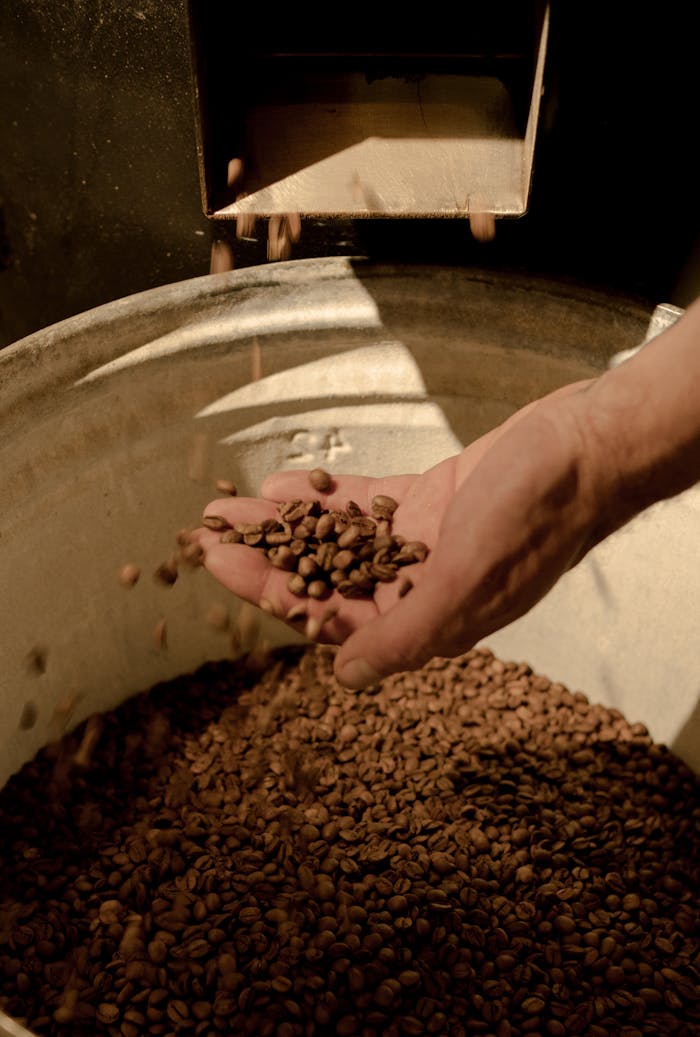
Dark roasts sit at the other end of the spectrum. Pushed through the first crack and well into the second crack, dark-roasted beans have been transformed significantly. The original origin flavors are largely replaced by roasty, smoky, bitter, and bittersweet compounds. The oils that were locked inside the bean migrate to the surface, giving dark roasts their characteristic shiny appearance. Body becomes heavy and viscous. Acidity drops dramatically, making dark roasts easier on the stomach and more forgiving for people who take their coffee with milk or cream.
Dark roasts are excellent for espresso, where the combination of pressure and high-heat extraction can amplify bitter, harsh notes from lighter-roasted beans but blends smoothly with the bold, chocolatey profile of a dark roast. They are also naturally better suited to milk-based drinks, as their intensity carries through steamed milk in a way that lighter, more delicate roasts often cannot.
The downside of dark roasting is that the nuance of origin is essentially cooked out of the bean. All dark roasts tend to taste somewhat similar regardless of where the coffee came from, which defeats the purpose of paying a premium for single-origin specialty beans. Dark roasts also degrade faster after roasting because their more porous structure accelerates oxidation.
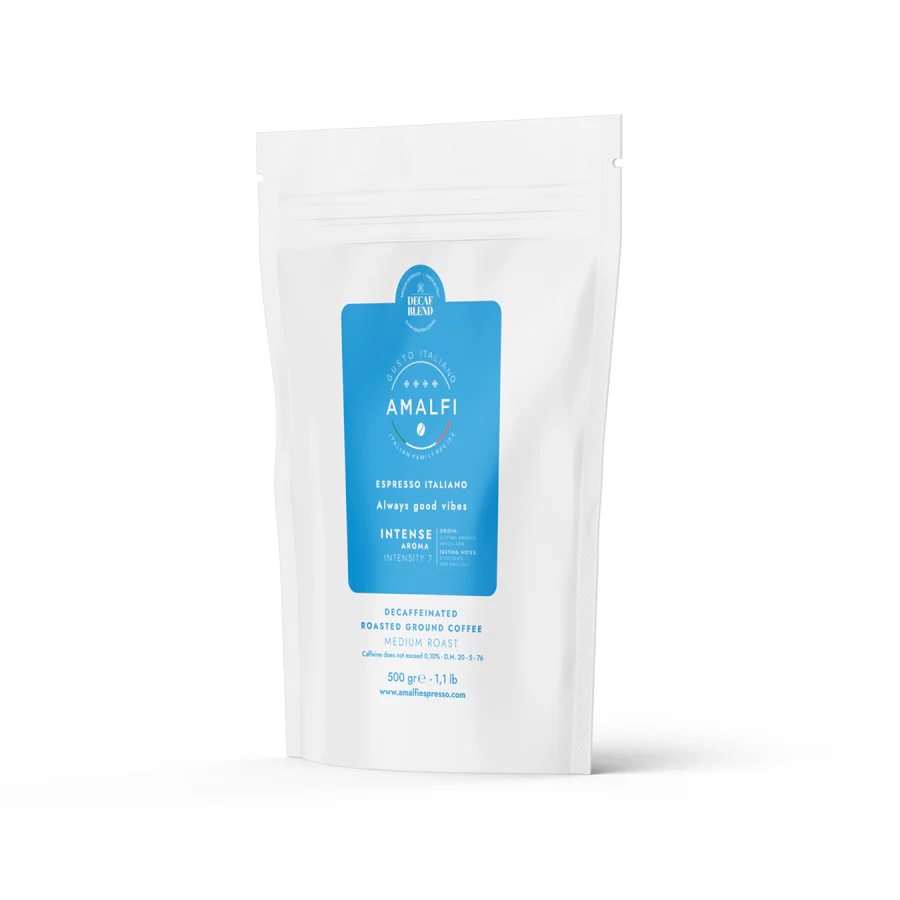
Medium roasts occupy the middle ground and, not coincidentally, are the most popular. They balance origin character with roasted sweetness, offering enough acidity and brightness to be interesting without the sharp tartness of a light roast. Medium roasts are versatile: they work well in drip machines, French presses, pour over brewers, and espresso machines. They pair comfortably with milk or can be enjoyed black. Their flavor profiles tend to be in the caramel, milk chocolate, and stone fruit range — approachable and pleasant without requiring a trained palate to appreciate.
Choosing the right roast comes down to a few honest questions. Do you drink your coffee black or with milk? Are you drawn to bright, complex, wine-like flavors or bold, rich, chocolatey ones? Are you stomach-acid sensitive? Do you brew espresso or drip? Answering these honestly will point you clearly toward a roast level. And the good news is that there is no wrong answer — only a wrong assumption that your preference should match someone else’s.