
The journey from roaster to your kitchen is one of the most underappreciated aspects of specialty coffee. Most people focus on the origin, the roast profile, or the brewing method, and rightly so. But even the most perfectly sourced and expertly roasted bean can arrive at your door as a disappointment if the supply chain between the roaster and your kitchen is slow, poorly managed, or indifferent to freshness.
Speed is everything. The moment coffee finishes roasting, the clock starts ticking. Carbon dioxide begins escaping from the beans, and oxygen gradually takes its place. The aromatic compounds that define a coffee’s flavor profile — its fruity brightness, its chocolatey depth, its floral complexity — are volatile. They do not wait patiently for slow logistics to catch up. They dissipate, oxidize, and flatten over time.
Traditional retail coffee distribution was never built with this chemistry in mind. A bag of coffee roasted at a facility might sit in a warehouse for weeks before being shipped to a regional distribution center. It then moves to a supermarket, sits on a shelf under fluorescent lights for another few weeks, and finally makes it into your cart on a routine grocery run. By the time you open that bag, the coffee inside might be three to four months old. The best-by date printed on the package tells you nothing about when the beans were actually roasted or how flavorful they once were.
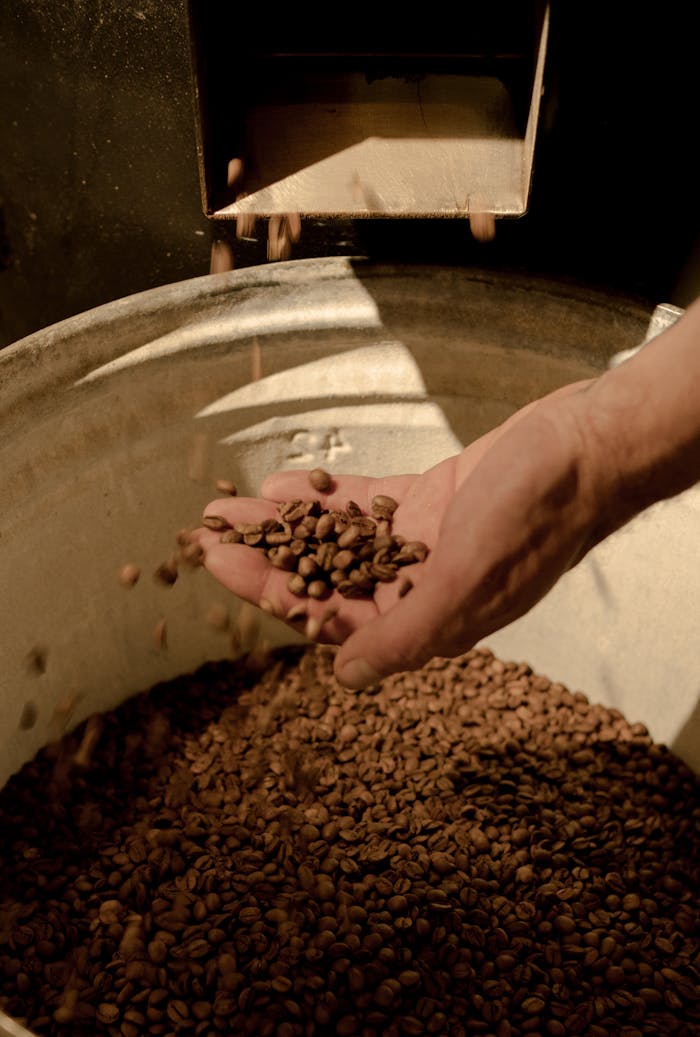
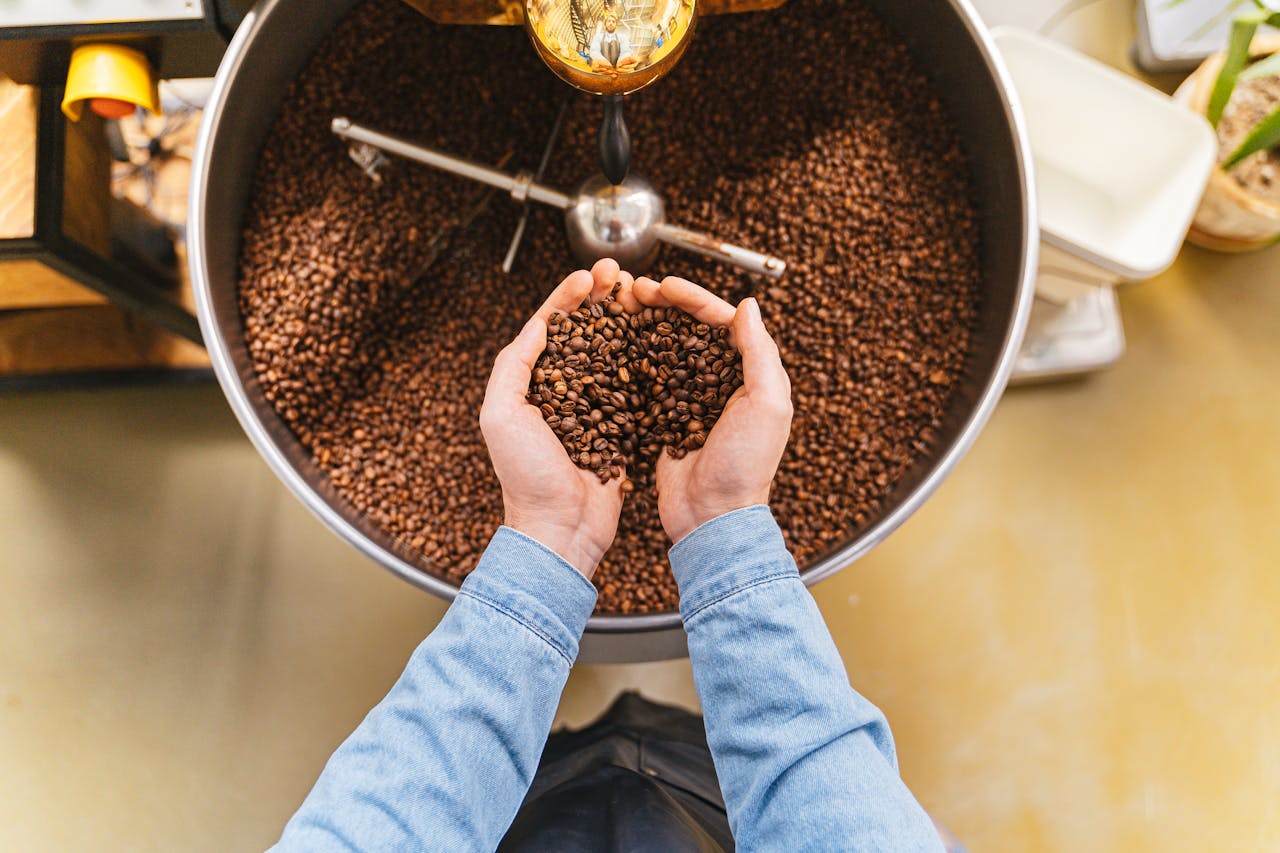
The rise of direct-to-consumer coffee roasters has fundamentally changed this equation. When you order directly from a specialty roaster, the logistics chain collapses dramatically. Many roasters now roast to order, meaning your beans are not put in a bag until your order is received. They then ship the same day or the next morning via express courier. In many cases, the beans arrive at your door within 48 to 72 hours of leaving the roaster.
Packaging technology has also evolved to support this model. Modern specialty coffee bags are engineered for freshness in ways that consumer retail packaging never was. One-way valve technology is particularly important: it allows the CO2 that continues to escape from freshly roasted beans to vent out of the bag without letting oxygen in. Without this valve, a sealed bag would swell and potentially burst from accumulated gas. With it, the beans can continue their natural degassing process while remaining protected from oxidation.
Nitrogen flushing adds another layer of protection. Before sealing, roasters flush the interior of the bag with inert nitrogen gas, displacing the oxygen that would otherwise begin degrading the coffee immediately. Combined with a one-way valve and a resealable zipper, these bags represent a significant technological investment in preserving the quality of what is inside.
Cold chain logistics, increasingly used by some premium roasters, take this a step further. Just as fresh produce or premium seafood is kept refrigerated during transport, some specialty coffee is shipped in insulated packaging with cooling elements to reduce temperature fluctuations that accelerate chemical reactions in the beans. While not yet universal, this approach signals how seriously leading roasters take the logistics of freshness.
The consumer’s role in this chain matters too. Even the fastest, most carefully managed delivery is undermined if the beans are stored improperly once they arrive. Keeping coffee in its original bag, sealed tightly and stored away from heat, light, and moisture, is essential. Transferring beans to an airtight canister is even better. Refrigerators and freezers, contrary to popular belief, are generally not ideal for everyday beans because of moisture and odor absorption, though freezing unopened bags of beans as a long-term storage strategy can work well when done carefully.
The transformation in specialty coffee delivery over the past decade has been remarkable. What was once a slow, opaque supply chain dependent on retail infrastructure has become a fast, transparent, direct relationship between the roaster who craft-roasted your beans on a Monday morning and you, who might be grinding them on a Wednesday afternoon. That speed is not just a convenience. It is the difference between coffee at its peak and coffee well past its prime.
When you choose a roaster who ships quickly and packages thoughtfully, you are not just buying coffee. You are participating in a system that respects the chemistry of freshness from first crack to first sip.