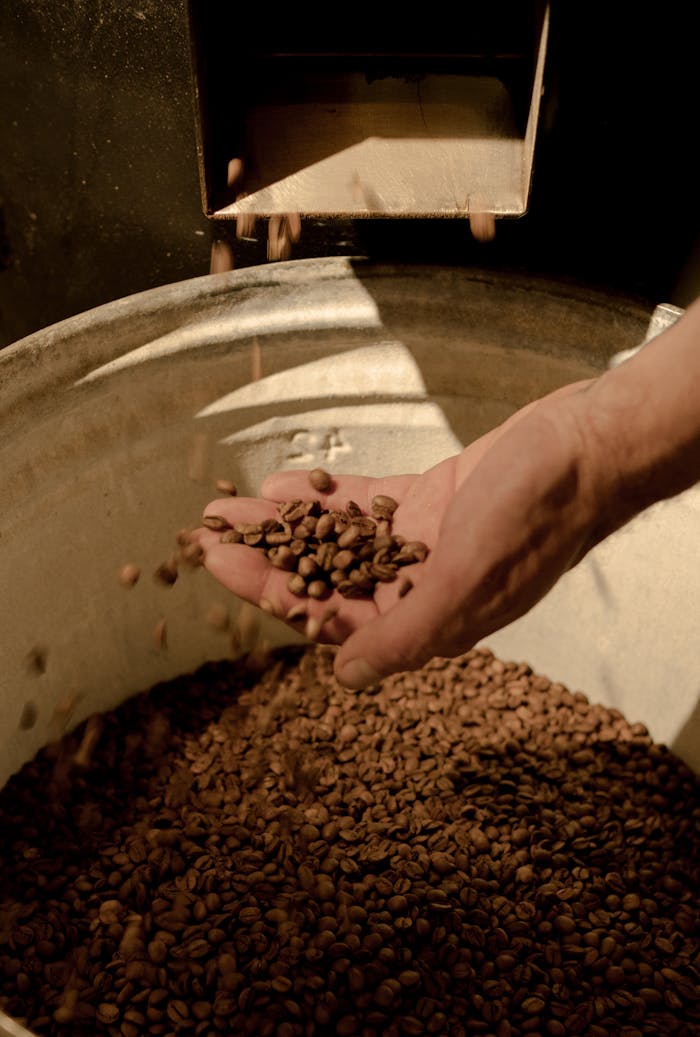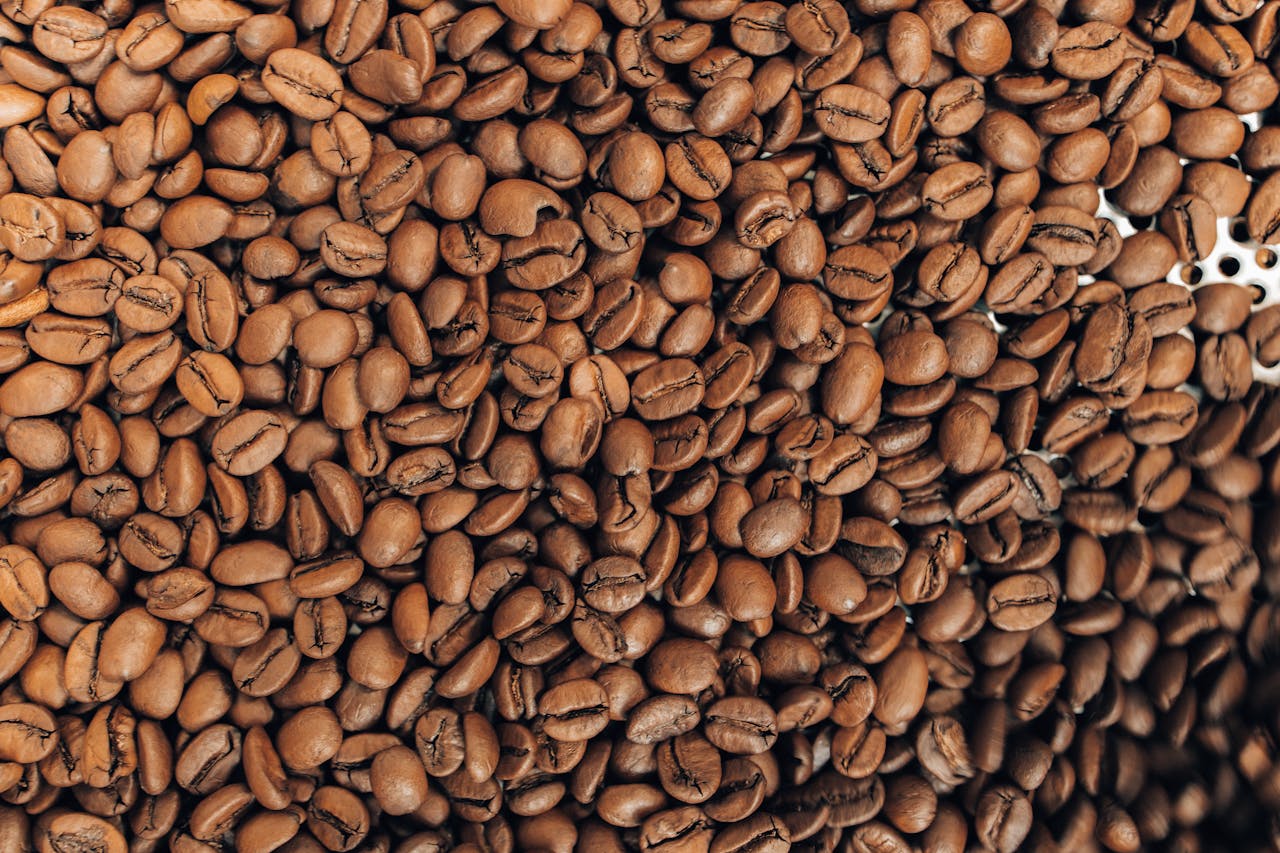

There is a particular kind of anticipation that comes with trying a new coffee brand for the first time, especially when you are someone who has been drinking specialty coffee long enough to have opinions and preferences. You have read the description on the bag, you know roughly what you are expecting, and there is always the combination of hope that this will be something special and the slight skepticism that comes from having been occasionally disappointed by coffees that promised more than they delivered.
My first impression of TM Amalfi started before I even brewed a cup. Opening the bag released an aroma that was immediately impressive: warm, sweet, complex without being aggressive. Notes of caramel and a hint of something like dark cherry or dried plum, with an underlying earthiness that felt grounded and confident rather than flat. These are the aromas that tell you the coffee inside is genuinely fresh — not the powdery, vaguely stale smell that you get from beans that have been sitting too long, but the alive, almost humid-sweet fragrance of a coffee still expressing itself.
The bag itself communicated quality. The roasting date was printed clearly, and the beans I was working with were eight days off the roast — comfortably in the peak window for a medium roast, past the aggressive off-gassing of the first few days, but well before the gradual fade that begins after three or four weeks. The packaging had a one-way valve and a resealable zipper closure. These are details that tell you the people who packed this bag thought about what happens to coffee after roasting, which is always a good sign.
I chose to brew a pour over first, specifically a V60, because this method gives me the clearest read on a new coffee’s flavor profile. The V60’s paper filtration removes oils and fine particles, producing a clean cup where individual flavor notes are easy to identify and assess. It is a clinical choice in some sense, and I would return to other methods later, but for a first impression it is ideal.
The bloom was impressive — the grounds swelled significantly and maintained a dome shape for the full thirty seconds before I began pouring in earnest. This is a reliable indicator of freshness: stale grounds bloom weakly or not at all because the CO2 that drives the reaction has already escaped.
The cup that came through the filter was a medium amber brown, brighter than I expected and immediately aromatic when I leaned over the server to smell it before pouring. The first sip, taken at a temperature just cool enough to taste properly, was immediately balanced and pleasant. The chocolate note I had detected in the dry aroma came through in the cup as something closer to milk chocolate or cacao nib — sweet and slight but present. There was a noticeable brightness that I want to describe carefully: not sharp or aggressive acidity, but a kind of high note in the flavor that kept the cup feeling lively and interesting throughout rather than flat.
The finish was clean and lingered appropriately — you could still detect sweetness thirty seconds after swallowing, which is one of the signatures of a well-roasted, properly fresh coffee. There was no harsh bitterness at the end, no papery or astringent aftertaste that would indicate oxidation or over-extraction.
I brewed the same coffee as a French press on a subsequent morning, and the profile shifted somewhat, as it always does between methods: the body became heavier and more tactile, the chocolate deepened, and the bright top notes quieted slightly. This is not a criticism — it is simply what a French press does to any coffee, and the result was excellent in its own right.
First impressions of TM Amalfi are strongly positive, but perhaps the most telling sign of quality is what I noticed over the course of a full week of brewing from the same bag. The coffee remained interesting and expressive from the first cup to the last. It did not collapse into flatness halfway through the bag, which is the fate of many coffees that peak too early after roasting. That longevity within the freshness window speaks to the roasting and packaging quality, and it is the kind of thing you only notice when you pay attention.