
The idea of a home coffee bar conjures images of gleaming espresso machines and elaborate equipment setups that cost thousands of dollars and require a barista certificate to operate. This image is aspirational for many coffee lovers and intimidating for many more. But a home coffee bar does not need to be expensive, professional, or elaborate to be excellent. The principles are straightforward: choose equipment that suits your brewing preferences, source quality beans, and organize your setup in a way that makes daily use easy and enjoyable.
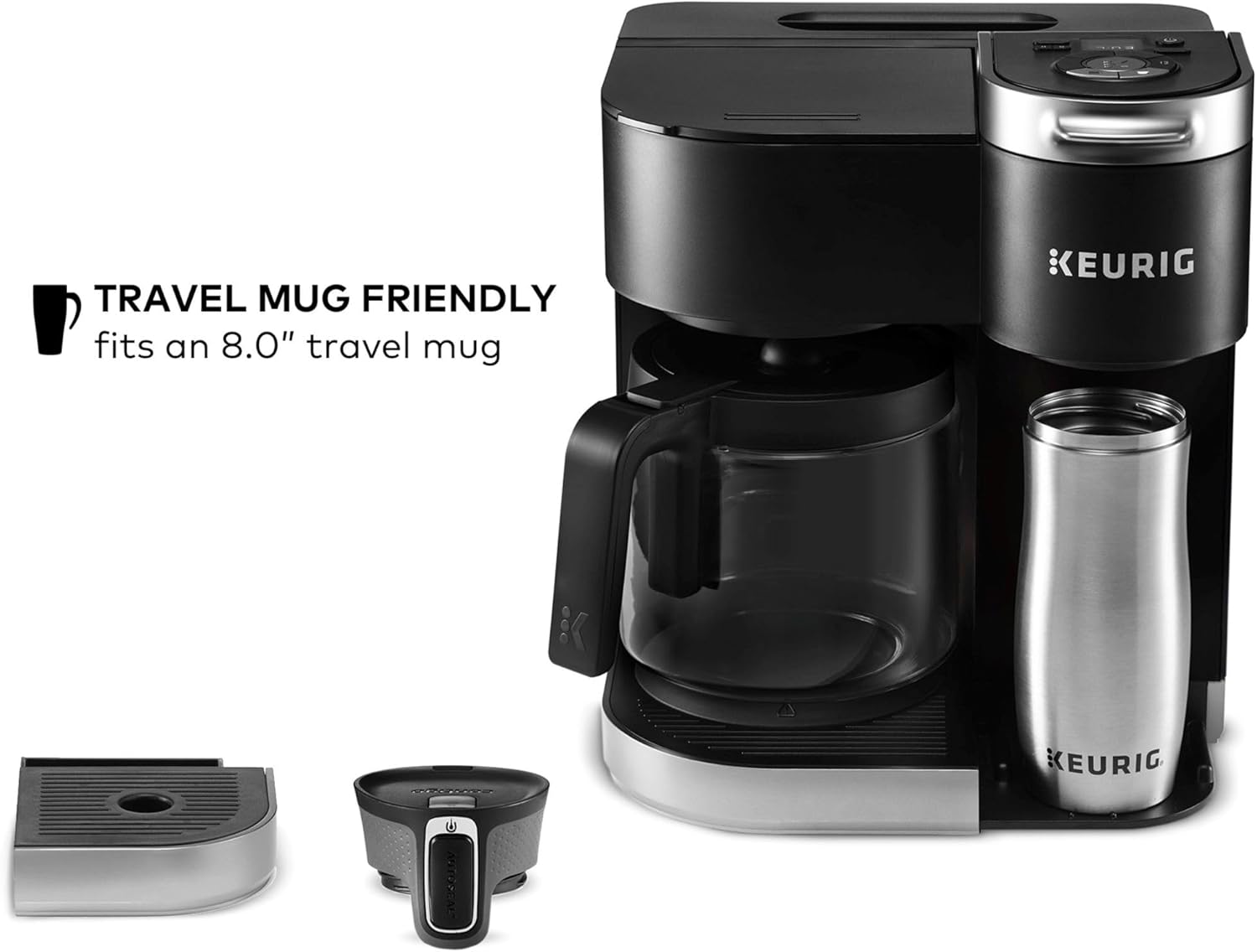
Begin by identifying your brewing priorities. Do you want espresso? Filter coffee? A versatile setup that can do both? Your answer determines the equipment category you need, which in turn determines the price range you are working within. For most coffee drinkers who are not specifically drawn to espresso, a non-pressure brewing method — pour over, French press, AeroPress, or drip — is both more achievable and often more satisfying than attempting espresso on a limited budget.
For a minimal, low-budget coffee bar focused on filter coffee, you need very little. A decent hand grinder costs twenty to forty dollars and produces a meaningfully better result than a blade grinder. A simple pour over cone and a pack of paper filters costs less than fifteen dollars. An electric kettle, ideally with temperature control, costs thirty to sixty dollars. A small kitchen scale costs ten to twenty dollars. For under one hundred dollars, you have a complete setup capable of producing excellent coffee that will satisfy most specialty coffee enthusiasts. The variable cost is the beans, which from a quality specialty roaster will run approximately fifteen to twenty-five dollars per 250-gram bag.
For a mid-range setup in the hundred to three hundred dollar range, you gain electric burr grinder performance, which saves time and produces more consistent results, and a higher-quality brewing device, such as a gooseneck electric kettle with temperature control and hold function that makes pour over much easier. At this level, you can also add an AeroPress or a Moka pot for brewing versatility without significant additional cost, as both are inexpensive. A quality insulated server or carafe completes the picture.
For home espresso at a reasonable budget, the entry point is typically higher than for filter coffee. A decent semi-automatic espresso machine capable of producing nine bars of consistent pressure and stable temperature starts around two hundred to four hundred dollars. Pair it with a mid-range electric burr grinder with fine adjustment in the one hundred to two hundred dollar range and you have a functional home espresso setup for three to six hundred dollars total. The learning curve is real — dialing in espresso takes practice — but the results are excellent once you have it calibrated.
The organization of the home coffee bar matters as much as the equipment selection. A coffee bar that is pleasant to use every morning has everything in easy reach and in a logical arrangement. The grinder next to the brewing device, the scale nearby, the beans in an attractive airtight container on the counter. Keeping the setup clean and uncluttered makes the daily brewing ritual feel purposeful rather than chaotic, and a well-organized station is more likely to be used consistently.
Aesthetics are worth considering if your setup will be visible in your kitchen. Coffee equipment ranges from the purely functional to the genuinely beautiful. A classic Chemex or a well-designed pour over kettle can be objects of pleasure to look at as well as to use. Many specialty coffee tools are designed with craft and care that extends to their visual quality. Choosing equipment you find attractive adds to the daily pleasure of using it.
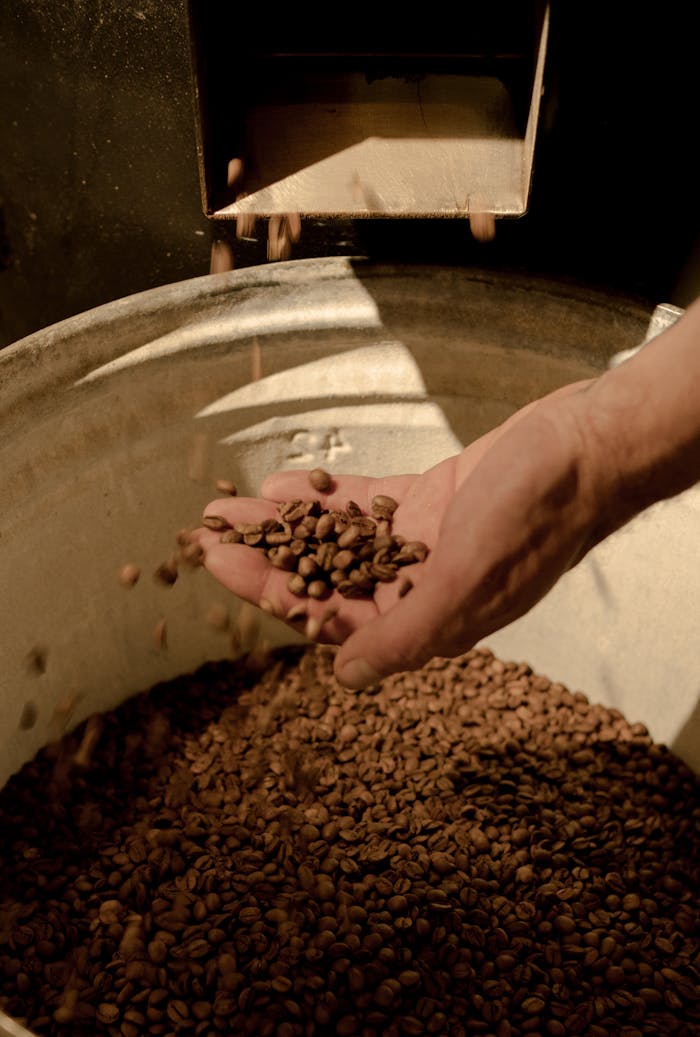
Finally, the most important component of any home coffee bar at any budget is the beans. Equipment can optimize the extraction of what is there, but it cannot create quality that the bean does not contain. A modest setup brewing freshly roasted, quality beans will consistently outperform an expensive setup brewing stale commodity coffee. Allocate a meaningful portion of your budget to fresh beans from quality roasters, and let that investment guide everything else.