
Among the many factors that influence coffee quality at origin, altitude is one of the most consistently powerful. Ask specialty coffee professionals which single growing condition they would prioritize if they could only choose one, and altitude would appear near or at the top of most lists. The connection between elevation and quality is not just an observation but a well-understood causal relationship, and it shapes how the entire specialty coffee industry thinks about sourcing.
The mechanism by which altitude improves coffee quality is primarily thermal. At higher elevations, average temperatures are cooler. Cooler temperatures slow the metabolism of the coffee plant, including the maturation rate of the coffee cherry. A cherry that matures slowly over several months in cool highland conditions has more time to develop complex sugars, organic acids, and flavor precursors than a cherry that matures quickly in the warmer temperatures of low-altitude growing regions. This is analogous to the difference between a slowly grown fruit and one pushed to ripen quickly with warmth: the slow one tends to be sweeter, more aromatic, and more complex.
At higher altitudes, the coffee plant also experiences greater temperature variation between day and night. Warm days allow photosynthesis and sugar production to proceed; cool nights slow the plant’s metabolic consumption of those sugars, causing them to accumulate in the cherry rather than being metabolized overnight. This diurnal temperature variation is considered a significant contributor to the bright acidity and sweetness that characterize high-altitude coffees.
The physical structure of the bean itself is affected by altitude. High-altitude beans tend to be denser than low-altitude beans, with a tighter cellular structure that roasts differently. Dense beans require more heat and time to roast through to the center, but they reward this slower roast with more even development and better flavor expression. A dense bean holds its structure under heat, allowing the roaster more time to develop the internal chemistry before the bean’s surface begins to over-roast. Low-density beans, more common at lower altitudes, have a more open structure that heats quickly and provides less margin for error.
The flavor profile differences between high- and low-altitude coffees are consistent enough to be generalized as starting expectations when tasting. High-altitude coffees typically exhibit more pronounced acidity — often described as bright, crisp, or wine-like — along with more complex aromatics, distinctive fruit notes, and a cleaner finish. Low-altitude coffees tend to have less acidity, heavier body, more earthy or woodsy notes, and a simpler overall flavor profile. This does not mean low-altitude coffees are inferior: they have their own merits and are often prized for different reasons, including their natural suitability for espresso blending and their lower production cost.
The altitude ranges associated with different quality levels vary by region because the relationship between altitude and temperature is mediated by proximity to the equator. Near the equator, where it is warmer at any given elevation, you need to go higher to achieve the same temperature range as a more moderate elevation would provide further from the equator. This is why Ethiopian coffees, grown near the equator, are considered high-altitude at 1,600 to 2,200 meters, while Colombian coffees are considered excellent in the range of 1,200 to 1,800 meters.
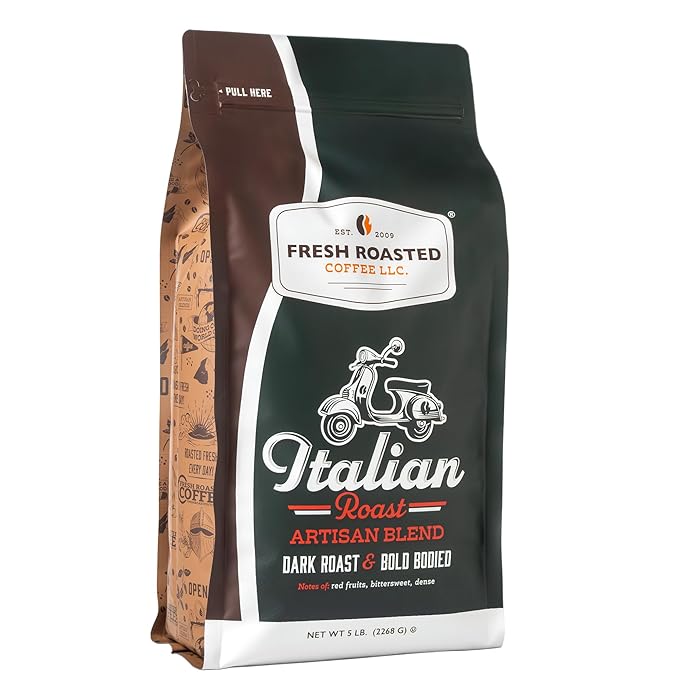
Many coffee bags from specialty roasters include altitude information alongside the origin details, and for good reason. A coffee from a Guatemalan highland farm at 1,800 meters tells you something specific about the flavor profile to expect: brightness, clarity, and the kind of fruit-forward complexity that comes from slow cherry maturation. A coffee from a lower farm at 1,000 meters in the same country tells a different but equally honest story.
For the home brewer, altitude information on a bag is one of the most useful pieces of data available for predicting whether a coffee will suit your palate. High-altitude coffees pair naturally with pour over methods that emphasize brightness and clarity. Lower-altitude, denser-profiled coffees are often excellent choices for espresso or French press. Learning to read altitude as a flavor signal makes you a more sophisticated and successful coffee buyer.