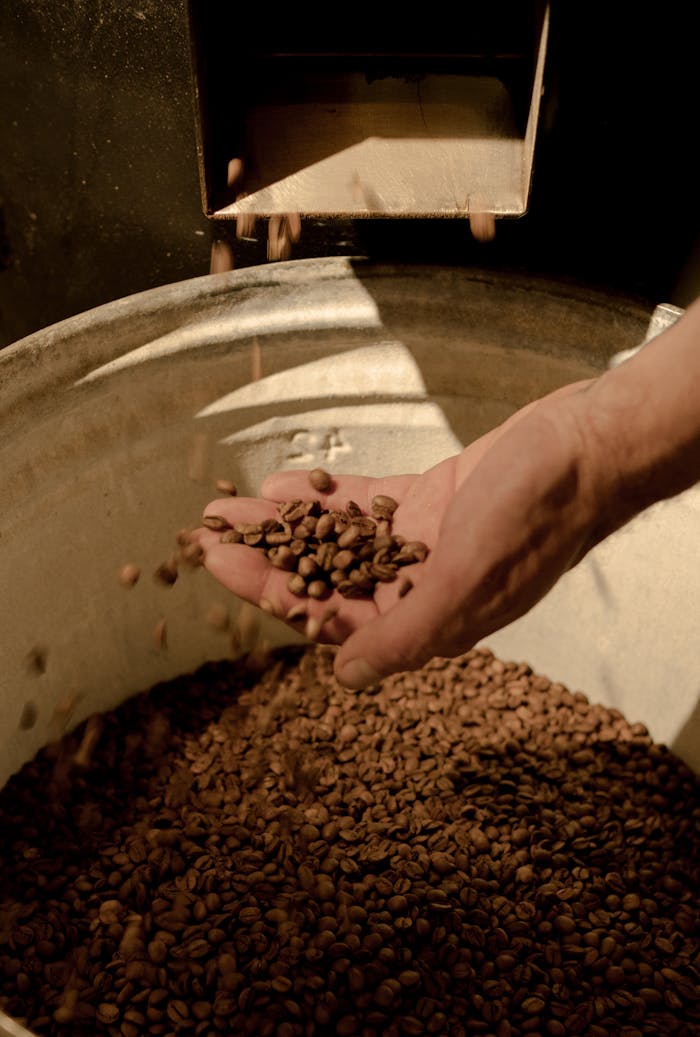

When two distinct coffee brands emerge from the same commitment to quality but with different philosophies about what that quality should look like in the cup, the result is an interesting and useful choice for consumers. TM Amalfi and TM Enigma represent two coherent answers to the question of what great coffee is — and understanding the differences between them helps you choose not just a brand but a coffee experience that matches your palate, your habits, and what you actually want from your morning cup.
At the most fundamental level, the difference between TM Amalfi and TM Enigma comes down to the axis of accessibility versus complexity. TM Amalfi is designed to be the best possible version of coffee that anyone can enjoy immediately, without training or adjustment. TM Enigma is designed to be the most expressive possible version of coffee for people who want to engage with its complexity. Both are excellent. They are just excellent for different reasons and for different drinkers.
TM Amalfi’s roasting philosophy tends toward medium development: enough roast to caramelize the sugars and resolve the natural acids into sweetness, producing a cup that is balanced, smooth, and immediately approachable. The flavors in an Amalfi cup are typically in the range of milk chocolate, caramel, stone fruit, and gentle spice — the flavor language that most coffee drinkers have learned to find comfortable and satisfying. The acidity is present but not aggressive. The body is substantial. The finish is clean and pleasant.
This makes TM Amalfi an ideal choice for drinkers who take their coffee black but want richness without bitterness, for milk drink drinkers who want their espresso base to carry through cream or steamed milk, and for people who want consistency and reliability rather than surprises. Every bag of TM Amalfi should taste like a refined, polished version of what most people mean when they say great coffee.
TM Enigma takes a different path. Its coffees are typically lighter in roast development, which means more of the origin characteristics and natural processing notes come through in the cup. The flavors might run toward dried fruit, tropical acidity, florals, or tea-like lightness depending on the specific lot. These are flavors that some drinkers find revelatory and others find off-putting if they are accustomed to the caramel-and-chocolate register of medium-roasted coffee. Enigma coffees have more pronounced acidity, more distinct aromatic complexity, and often a lighter body.
If you have never explored specialty coffee seriously and are curious but unsure where to start, TM Amalfi is the better entry point. Its flavors are recognizable and welcoming, its quality is unmistakable compared to commodity coffee, and it will not challenge your expectations of what coffee tastes like — it will simply exceed them. From there, if you find yourself curious about what coffee can taste like when pushed further toward origin expression and complexity, TM Enigma provides a compelling next step.
If you already drink single-origin light roasts, visit specialty coffee shops regularly, or find yourself wanting to understand origin characteristics and processing methods better, TM Enigma is likely the more interesting and rewarding choice from day one.
Brewing method preferences also play a role. TM Amalfi’s balanced profile works well across essentially all brewing methods: drip, French press, pour over, espresso, AeroPress. TM Enigma is best expressed through methods that offer precision and clarity — pour over particularly — and requires more dialing-in when used for espresso. The Moka pot and French press, which tend to amplify acidity and body, are less ideal for Enigma’s lighter profile.
The good news is that this is not an either/or decision in the long run. Many coffee drinkers find that they want different coffees at different times: an Amalfi on a weekday morning when they want something reliable and satisfying before a full day, and an Enigma on a weekend when they have the time and attention to engage with something more challenging and rewarding. Knowing where each brand sits in that spectrum is the key to using both well.