
Cold brew coffee has earned its place in the modern coffee landscape not as a trend but as a genuinely distinct preparation with its own flavor profile and considerable practical appeal. Smooth, low-acidity, naturally sweet, and highly concentrated, cold brew is as different from hot-brewed coffee as red wine is from grape juice. And it is remarkably simple to make at home, requiring no special equipment and yielding enough coffee to last several days.
The fundamental principle of cold brew is slow extraction at low temperature. Rather than using hot water to dissolve soluble compounds quickly over minutes, cold brew uses cold or room-temperature water to extract those compounds slowly over twelve to twenty-four hours. This slow, cold extraction process selectively dissolves certain compounds — particularly the sugars and mild acids that contribute sweetness — while leaving behind many of the harsher organic acids and bitter compounds that hot brewing extracts readily. The result is a coffee that is inherently softer, rounder, and less acidic than any hot-brewed method.
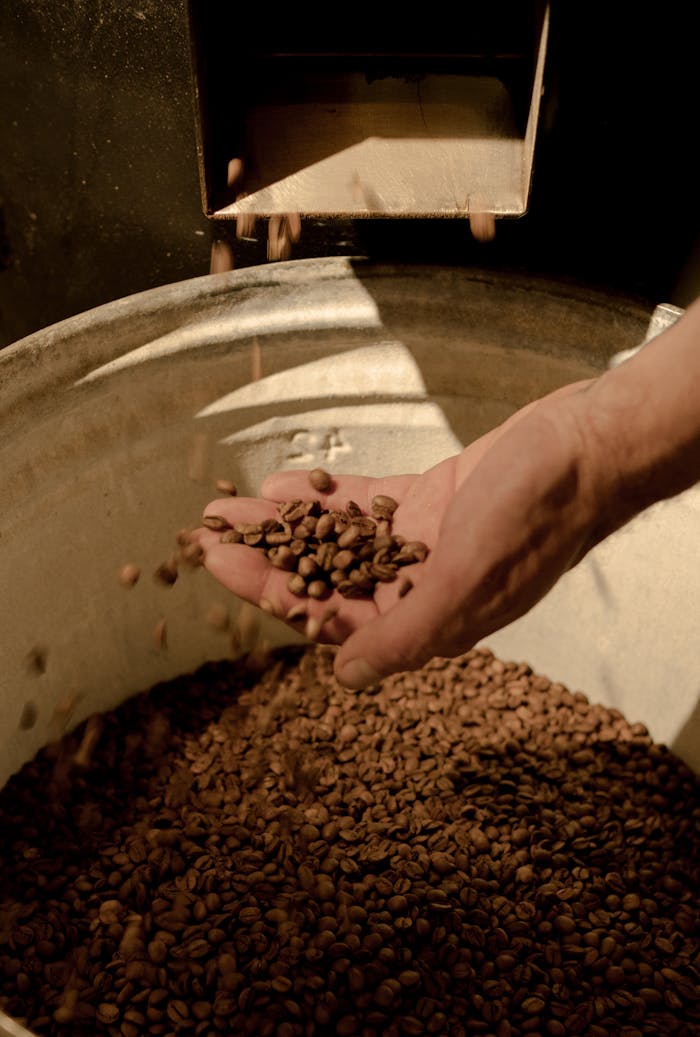
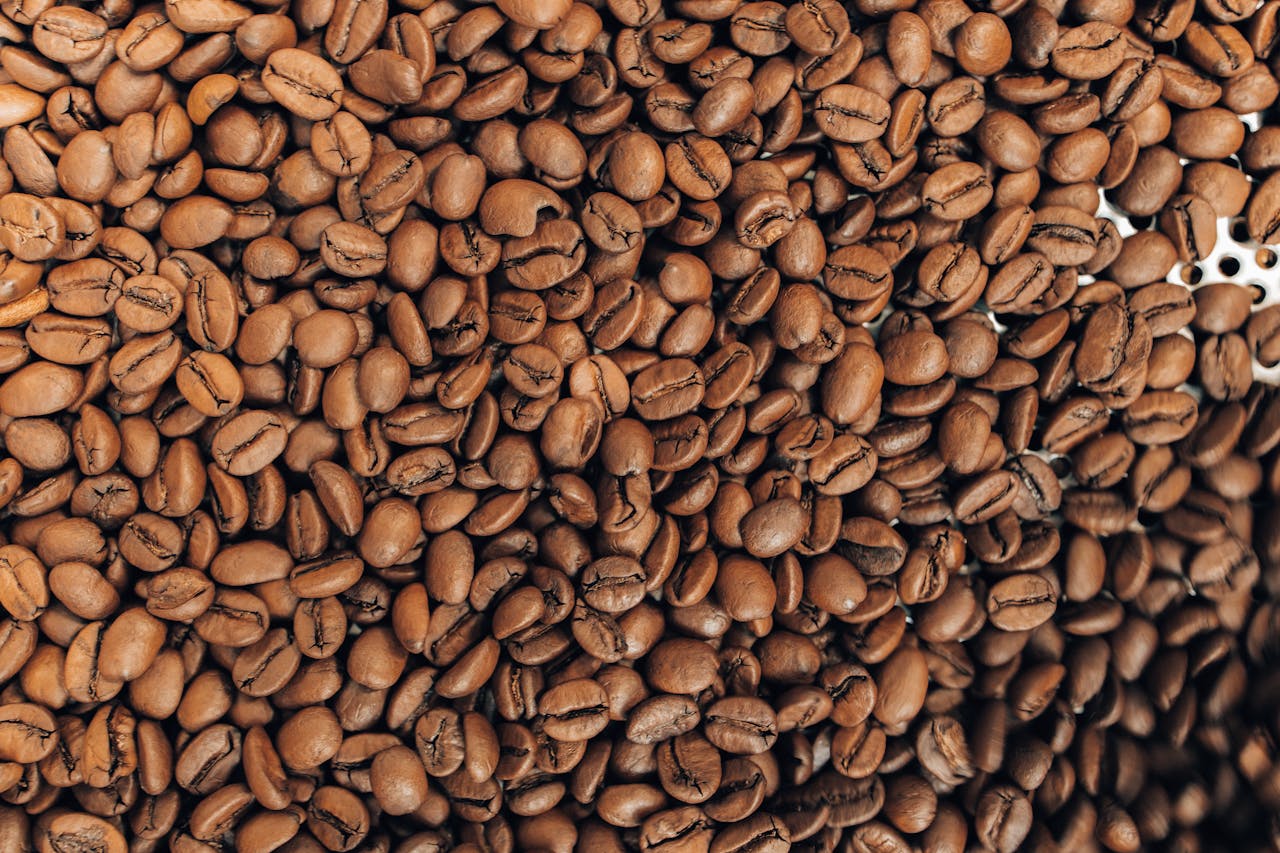
For cold brew, the quality of your beans has a direct and unusually significant impact on the final result. Cold brew cannot hide stale coffee the way a strong dark roast might in a drip machine. Because the extraction is cold and slow, the aromatic compounds that make good coffee interesting need to be present and abundant from the start. Freshly roasted beans, ideally between one and three weeks off the roast, produce cold brew with noticeably more sweetness, depth, and complexity than older beans. This is one preparation where the roasting date on the bag is especially worth checking.
The recipe itself is simple. You need coarsely ground coffee — roughly the texture of raw sugar or coarse sea salt — and cold or room-temperature water. The ratio depends on whether you want to make a concentrate, which can be diluted when serving, or a ready-to-drink brew. For concentrate, use one part coffee to four or five parts water. For ready-to-drink, use one part coffee to eight parts water.
Combine the ground coffee and water in a large jar, pitcher, or dedicated cold brew vessel. Stir gently to ensure all the grounds are saturated. Seal the container and place it either in the refrigerator, which produces a cleaner, lighter extraction, or on the counter at room temperature, which produces a slightly more intense and complex result in less time. Refrigerator cold brew typically needs 18 to 24 hours. Room-temperature cold brew can be done in 12 to 16 hours.
Straining is the only step that requires a bit of care. Pour the mixture through a fine-mesh strainer lined with a paper coffee filter, a clean cloth, or cheesecloth. This removes the grounds and produces a clear, clean liquid. Straining cold brew takes longer than straining hot-brewed coffee because the liquid is thick and the filter resistance is higher. Patience here is rewarded: rushing the straining by squeezing or pressing can force fine particles through that make the final brew cloudy and gritty.
The strained cold brew keeps well in the refrigerator for up to two weeks without significant flavor degradation, making it an excellent option for people who want great coffee on demand without any morning preparation. Simply pour over ice and dilute with water or milk to taste.
The choice of roast level affects the flavor character significantly. Light roasts produce cold brew that is bright and complex, with the origin characteristics of the bean preserved beautifully by the cold extraction. Medium roasts produce the most balanced cold brew — sweet, smooth, and accessible. Dark roasts produce rich, chocolatey, full-bodied cold brew that pairs exceptionally well with milk and resembles iced coffee in character rather than cold brew’s typical lighter profile.
Freshly roasted beans make cold brew that you will look forward to every day. The combination of fresh roasting’s aromatic richness and cold brewing’s smooth, forgiving extraction style produces a drink that is approachable for casual drinkers and satisfying for enthusiasts. Make a batch on Sunday afternoon and you have great coffee in the refrigerator for the entire week.