
If you have ever stood in a coffee aisle squinting at the bottom of a bag trying to make sense of the dates printed there, you are not alone. Coffee packaging can be genuinely confusing. Best-by dates, expiration dates, roast dates, and use-by dates all appear on bags across the industry, and they do not all mean the same thing. For anyone who cares about drinking great coffee, understanding the difference is not just helpful — it is essential.
Let us start with the expiration date, or best-by date. This is the date most commonly found on mass-market coffee sold in supermarkets, and it is almost universally useless for determining flavor quality. Expiration dates on coffee are regulatory or commercial constructs. They tell you roughly when the product will no longer be safe or commercially viable to sell, not when it will taste best. A bag of coffee can be well within its printed expiration date and still taste completely flat, stale, and dead — because the real enemy of coffee freshness is not biological decay, it is chemical oxidation.
Oxidation happens fast. Once roasted, coffee beans contain hundreds of volatile aromatic compounds that interact with oxygen in the air and begin to degrade within days. The speed of this degradation depends on many factors: the roast level, the packaging, the storage conditions, and whether the coffee is in whole bean or ground form. But the key insight is this: a bag of coffee might remain technically safe to consume for 12 to 18 months after roasting, but it will taste dramatically worse within weeks if not stored properly and packaged for freshness.
The roasting date is the number that actually matters. When a bag says it was roasted on a specific date, it gives you actionable information. You know exactly how old these beans are. You know roughly where they are in their flavor arc. You can make an informed decision about when to open the bag, how quickly to use the beans, and whether this particular purchase offers the freshness you are looking for.
The specialty coffee industry has largely converged on the roasting date as the standard for quality-focused producers. If you pick up a bag from a serious specialty roaster and it does not have a roast date printed on it, that is a red flag. It suggests the roaster is either not confident about their supply chain timing or is not prioritizing transparency with their customers.
So what does a good roasting date look like? For whole bean coffee in properly sealed, nitrogen-flushed packaging with a one-way valve, the ideal consumption window is generally from about three days after roasting to around four to six weeks after roasting. During the first three days, the beans are still off-gassing CO2 heavily, which interferes with brewing. From day three to roughly day fourteen, the coffee is typically at its absolute peak: fully developed, aromatic, and complex. From two to six weeks, quality slowly declines but remains very good. After six to eight weeks, most specialty coffees have lost enough volatile aromatics to be noticeably less interesting than they were at peak.
For ground coffee, the window is significantly shorter. Once beans are ground, the surface area exposed to oxygen increases by an order of magnitude, and flavor degradation happens within hours rather than days or weeks. Ground coffee sold in vacuum-sealed cans or bags can maintain reasonable quality for longer, but it will never match the freshness of grinding whole beans just before brewing.
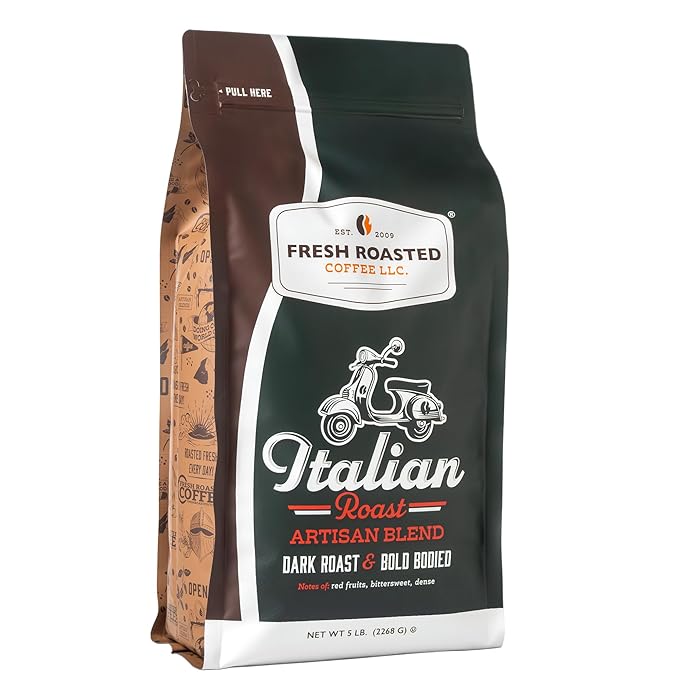
There is also the question of how date information is displayed. Some roasters print a roast date clearly on the front of the bag. Others print it on the bottom or back in small type. Some use codes that require a chart to decipher. The most consumer-friendly approach is a clear, plainly readable roast date in a prominent location — but not all brands prioritize this.
As a coffee lover, your best approach is simple: seek out roasters who display their roast date clearly, prioritize bags roasted within the past two weeks, and buy only as much as you can consume within a month. Ignore expiration dates as a quality metric. Treat them only as a maximum outer limit of consumption, not as a target or a freshness guarantee.
The date on the bag tells a story. Learn to read it and your coffee experience will improve immediately and measurably.